












By Salhiram Balthazar Brand Marketing Strategist & Owner, Heru Vision Consulting
In the world of high-stakes brand strategy, we often talk about “frictionless” experiences. We want the journey from discovery to connection to be seamless. But a leaked internal memo from Meta’s Reality Labs, reported in February 2026, reveals a vision for a “frictionless” world that may actually fracture the foundation of consumer trust.
The project, internally dubbed “Name Tag,” involves integrating real-time facial recognition into Meta’s Ray-Ban smart glasses. For a strategist, this isn’t just a hardware update; it is an aggressive move to claim ownership over human identity in the physical world. At Heru Vision Consulting, we believe this move provides a critical case study in the intersection of innovation, ethics, and the “Social License to Operate.”
The Feature: From “Capture” to “Curation”
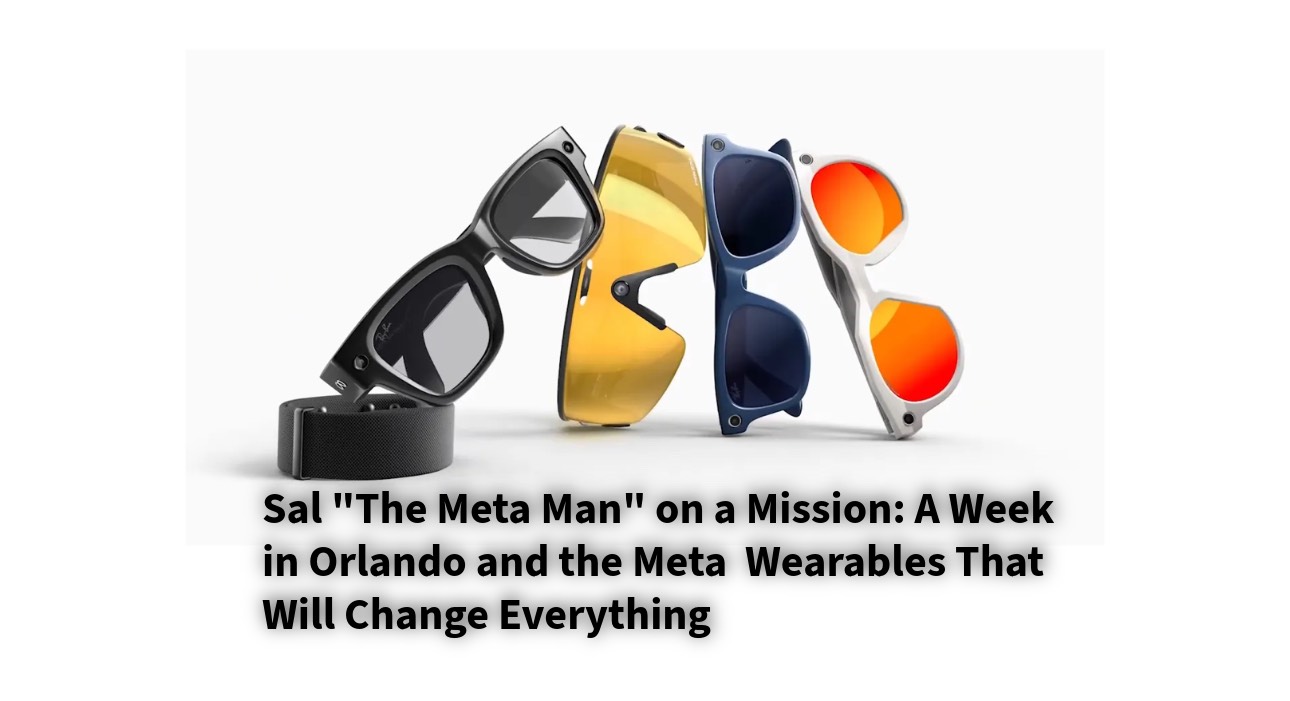
For the past few years, Meta’s partnership with EssilorLuxottica has been a surprising success. They managed to sell over 7 million units in 2025 alone, effectively tripling their sales from the previous year. This growth was driven by a focus on style and simple utility: taking photos, making calls, and listening to music. But “Name Tag” changes the value proposition entirely.
The goal is to use Meta AI to identify individuals in a wearer’s field of vision instantly. Imagine walking into a networking event or a coffee shop and having a digital overlay tell you the name, occupation, and latest Instagram post of the person standing in front of you. Meta is pitching this as a “superpower” for the user—an ultimate tool for social connection and cognitive enhancement.
However, from a branding perspective, this shifts the device from a creative tool (capturing memories) to a surveillance tool (cataloging people). As strategists, we must ask: Does the benefit to the wearer outweigh the discomfort of the “subjects” in their view? In branding, perception is reality, and the perception of a “walking database” is a difficult brand image to shake.
The “Dynamic Political Environment” Strategy
Perhaps the most revealing part of the leak is the timing strategy. A memo from May 2025 explicitly states: “We will launch during a dynamic political environment where many civil society groups that we would expect to attack us would have their resources focused on other concerns.”
This is a cynical, yet highly calculated, PR maneuver. In brand marketing, we often look for “white space”—times when the conversation is quiet so our message can shine. Meta is doing the inverse: they are looking for “noise” to hide a controversial launch.
By betting on political distraction—such as the ongoing DOGE agenda and domestic policy shifts in early 2026—to blunt the response from privacy advocates like the Electronic Frontier Foundation (EFF), Meta is demonstrating a return to the “move fast and break things” mentality. At Heru Vision, we advise our clients that evading scrutiny is not the same as building trust. A brand that waits for its critics to be busy before it acts is a brand that knows its actions are inherently problematic.
The Ghost of “I-XRAY”
The urgency of this discussion was highlighted by the I-XRAY project, a viral demonstration by Harvard students AnhPhu Nguyen and Caine Ardayfio in late 2024. Using off-the-shelf Meta glasses and public face-search engines like PimEyes, they were able to dox strangers on the Boston subway in real-time—finding names, home addresses, and even relatives’ names within seconds.
The Harvard project proved that the technology is already here. Meta’s challenge is that they are the only ones with the scale to make this a global reality. While the students did it to raise awareness, Meta is doing it to create a product. The branding nightmare for Meta is that “Name Tag” could easily be perceived as “Official I-XRAY,” turning every pair of Ray-Bans into a potential tool for stalking or harassment.
The Strategy of “Altruistic Anchoring”
Meta isn’t walking into this blind. Their strategy involves “Altruistic Anchoring”—launching a controversial tool under the guise of social good to build a defensive moat against regulators.
Leaked documents show Meta considered first introducing “Name Tag” as an accessibility feature at a conference for the blind. This is a brilliant strategic move: it is much harder for a regulator to ban a tool that helps a visually impaired person identify their children or friends in a crowd. By establishing the “social good” use case first, Meta hopes to create a precedent that makes a general release inevitable.
The Brand Pivot: 2021 vs. 2026
We must remember that in November 2021, Meta (then Facebook) shut down its facial recognition system and deleted over a billion face templates, citing “growing concerns about the place of facial recognition technology in society.”
The return of this tech in 2026 tells us two things about Meta’s current strategy:
- Competitive Pressure: With Apple, Snap, and Samsung launching competing wearables, Meta feels they need a “killer app” to maintain dominance.
- The AI Transformation: Meta no longer sees itself as a social media company, but as an AI-first entity. Facial recognition is the primary way an AI “sees” and understands the human world.
Strategic Recommendations for Brand Leaders
For the brands we consult with at Heru Vision, the “Name Tag” leak serves as both a warning and a roadmap.
- Own the Optics: If you are launching a product with high “creep potential,” transparency is your only currency. Hiding behind a “dynamic political environment” may work for a quarter, but it erodes brand equity for a decade.
- The Consent Economy: We are moving into an era where “Digital Consent” will be as important as “Brand Loyalty.” Brands that respect the privacy of the bystander (the person not using the product) will win the long-term culture war.
- The Utility Trap: Just because a feature is “useful” doesn’t mean it’s “on-brand.” Meta must decide if they want Ray-Ban to be a symbol of cool, effortless style, or a symbol of the surveillance state. You cannot be both.
Conclusion: The Salhiram Balthazar Take
Innovation is the lifeblood of marketing, but at Heru Vision Consulting, we believe that the most successful brands of the future will be those that prioritize human agency.
Meta’s “Name Tag” project is a gamble that convenience will eventually kill the desire for privacy. They are betting that if the tech is “cool” enough, we will stop caring who is watching. As a Brand Marketing Strategist and someone who has worked as a Meta Wearable Brand Specialist, I see this as a pivot point for the entire industry. We are no longer just marketing products; we are marketing the very way people interact with reality.
In the coming months, the battle for the “face” will intensify. Whether Meta succeeds or fails will depend less on their algorithms and more on whether they can prove to the public that “seeing” someone is not the same as “monitoring” them.
Research References & Further Reading
- The Original NYT Investigation: Meta Plans to Add Facial Recognition Technology to Its Smart Glasses (Published Feb 13, 2026).
- The “I-XRAY” Proof of Concept: Harvard Students Demonstrate Privacy Risks of Smart Glasses – A detailed look at how existing hardware was used to dox strangers.
- Sales Performance Data: Meta & EssilorLuxottica Sold 7 Million Smart Glasses In 2025 – Analysis of the product’s market dominance.
- Privacy Advocacy Stance: EFF Urges Meta to Abandon Face Recognition Plans – Exploring the legal and ethical arguments against “Name Tag.”
- Historical Context: Meta to End Use of Facial Recognition System (2021) – The official announcement of the previous shutdown.



Be rewarded for every click—join our affiliate program today!