







By Shesh Heru, writer for Heru Vision Media
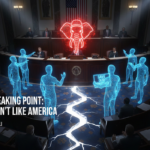
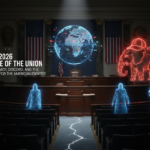
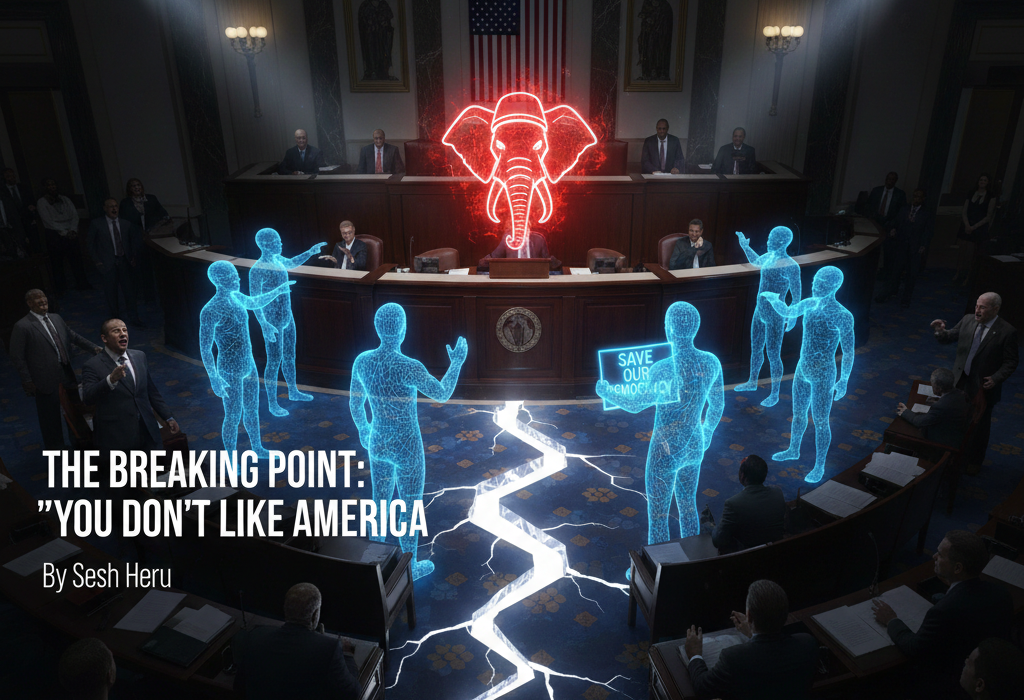
The 2026 State of the Union address will likely be dissected for years to come, not solely for its policy proposals, but for a profound shift in political discourse. While presidents have historically used the State of the Union to rally support and criticize opposition policies, the rhetoric employed during this address, particularly the President’s assertion that segments of the opposition “don’t like America,” marked a significant departure from established norms. This section will analyze that rhetorical shift and its potential implications for the future political landscape of the United States, striving for an impartial examination.
The Historical Context of State of the Union Discourse
Historically, the State of the Union serves as a platform for the President to report on the nation’s condition, propose legislative agendas, and inspire a sense of national unity. While partisan disagreements are inherent to the democratic process and frequently surface during these addresses, the underlying message often emphasizes shared national goals. Criticisms of the opposition typically focus on policy differences or economic approaches rather than questioning the fundamental patriotism or loyalty of entire political groups. Presidents have, at times, engaged in sharp criticisms, but direct accusations questioning the “liking” or loyalty to America from within the chamber itself are rare and historically avoided due to their divisive potential.
The Rhetorical Shift: “You Don’t Like America”
During the 2026 address, the President moved beyond policy critiques to explicitly challenge the patriotism of his political opponents. Statements such as accusing Democrats of “not liking America,” prioritizing “illegal aliens” over “American citizens,” or being unwilling to protect “the sacred American election” represented a direct questioning of their national allegiance. This was further amplified by direct challenges, such as asking members to stand if they believed the government’s first duty was to protect Americans, and then commenting on those who remained seated.
This type of rhetoric shifts the debate from what policies are best for the country to who is legitimately part of the country’s vision. It frames political disagreement not as a difference of opinion, but as a fundamental opposition to the nation itself.
Immediate Reactions and the Erosion of Decorum
The immediate response within the chamber underscored the impact of this rhetoric. The article noted “shouting matches,” “outbursts” from individual members like Rep. Ilhan Omar yelling “Liar!”, and the visible dissent of members like Rep. Al Green being escorted out. These reactions are symptomatic of a political environment where the boundaries of acceptable discourse are perceived as having been breached.
The erosion of decorum in such a historically symbolic setting carries weight. While robust debate is a hallmark of democracy, the consistent breakdown of civility can impede productive legislative function and further entrench partisan animosity. When mutual respect diminishes, the capacity for bipartisan compromise often follows suit.
Analysis of Potential Implications for the Future of the United States
The implications of such rhetorical tactics, particularly when employed from the nation’s highest office, warrant careful analysis for the future of the United States:
- Deepening Political Polarization: When political opponents are painted as unpatriotic or anti-American, it exacerbates existing polarization. It transforms policy debates into existential conflicts, making it harder for citizens to find common ground or view those with differing political views as legitimate stakeholders in the national project. This creates an “us vs. them” mentality that can seep into all levels of society.
- Impact on National Identity: The accusations directly challenge the definition of what it means to be “American.” If patriotism is narrowly defined by adherence to specific policies or a particular political vision, it risks alienating large segments of the population who hold different political beliefs but are equally committed to the nation. This can lead to a more fractured sense of national identity, where allegiance to a political faction eclipses allegiance to the shared ideals of the republic.
- Challenges to Democratic Norms: Accusing political opponents of disloyalty is a tactic historically associated with authoritarian regimes rather than stable democracies. In a democratic system, vigorous opposition is not only tolerated but is considered essential for accountability and healthy governance. When the loyalty of the opposition is questioned, it can undermine the legitimacy of dissent and weaken the very institutions designed to protect it.
- Influence on Public Trust: Such rhetoric can further erode public trust in government and political institutions. If citizens perceive their elected officials as questioning each other’s patriotism, it can foster cynicism and a belief that politics is solely about power struggles rather than collective problem-solving. This can depress civic engagement and increase political alienation.
- Setting a Precedent for Future Discourse: The use of highly charged, personal, and loyalty-questioning rhetoric at the State of the Union sets a precedent. Future political leaders, observing its impact, may feel emboldened to employ similar tactics, potentially leading to a sustained degradation of political discourse across all levels of government.
Conclusion
The “Breaking Point” at the 2026 State of the Union, marked by accusations of un-American sentiment, represents more than just a heated moment in a long political battle. It signifies a potentially transformative shift in the language of American politics. For the future of the United States, the central challenge will be to determine whether this incident is an anomaly in the nation’s enduring democratic tradition or a symptom of a deeper, more profound redefinition of national identity and the accepted boundaries of political disagreement. The path forward will require a conscious effort from all stakeholders to either re-establish or redefine the parameters of civil, yet robust, political discourse.
