






By Salhiram Balthazar, Editor-in-Chief
Published on Heru Vision Media — Local News & Community Advocacy
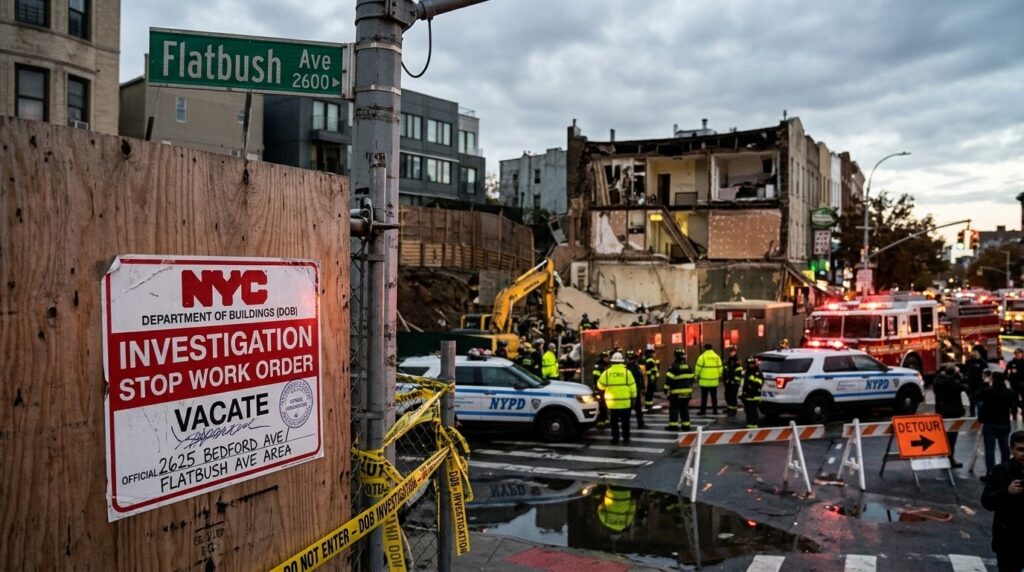
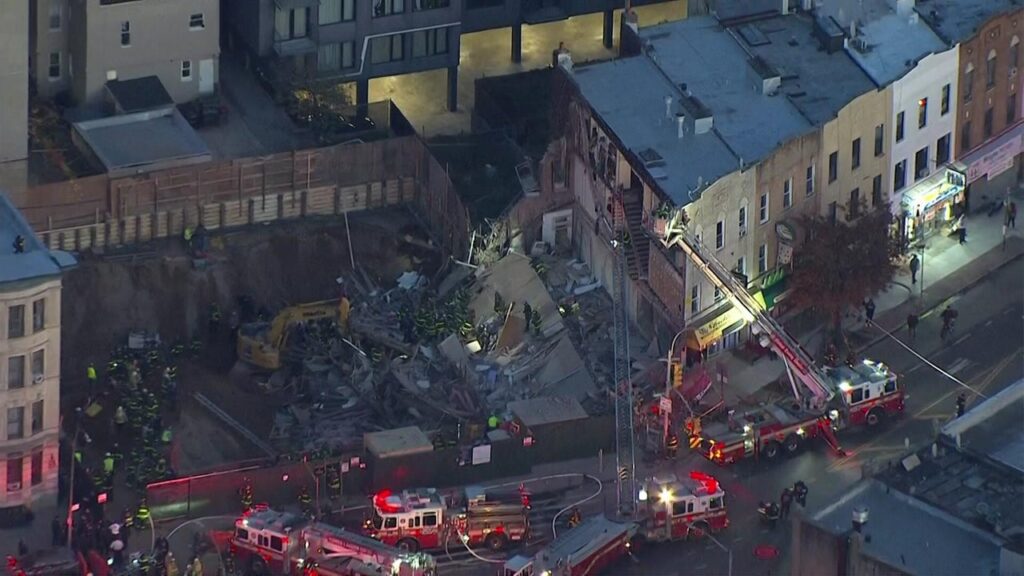
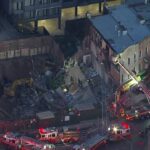
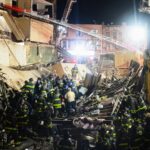
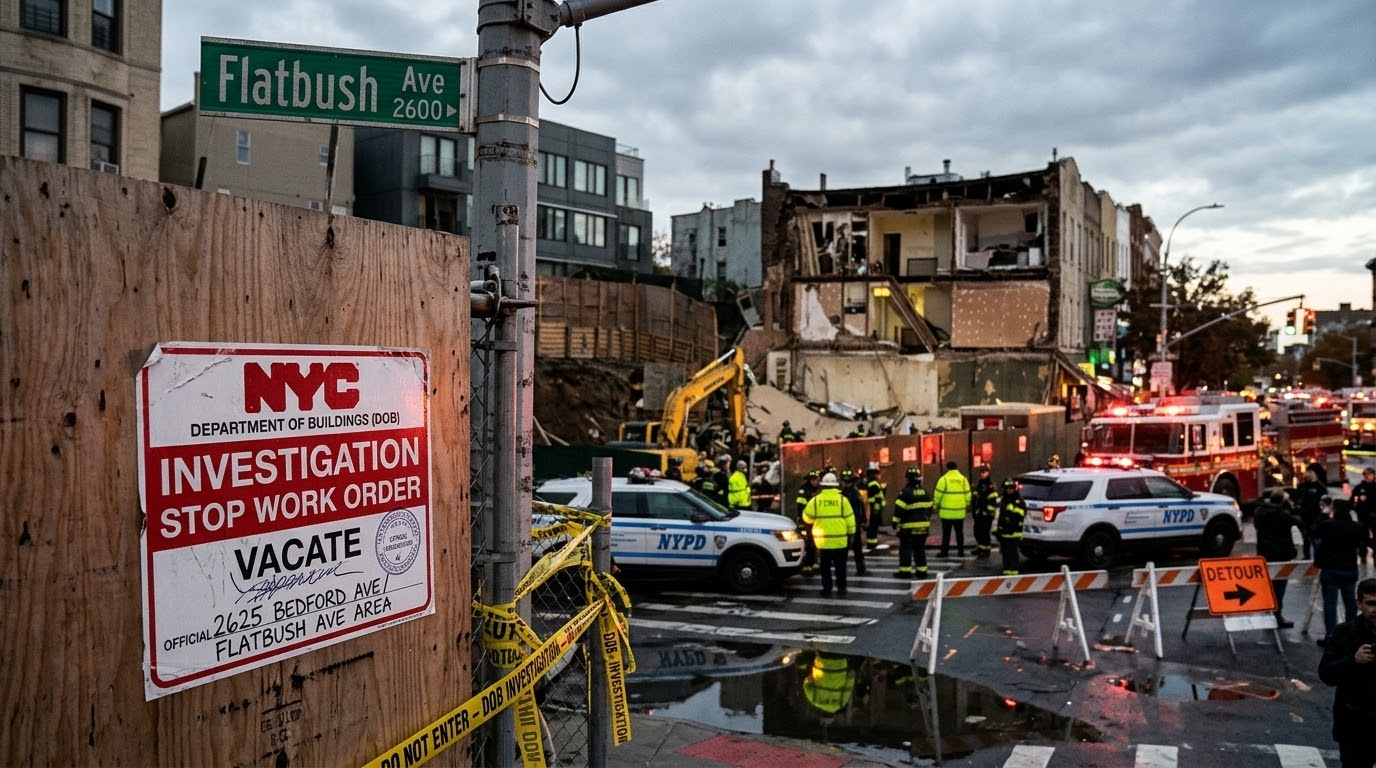
Days after a catastrophic structural collapse shook the heart of Flatbush, Brooklyn, the focus of the city has shifted from emergency search-and-rescue operations to a rigorous, far-reaching municipal investigation. As the community mourns the eight lives lost in the disaster at Flatbush and Bedford avenues, city officials, housing inspectors, and prosecutors are turning their full attention toward accountability, examining open violations, adjacent construction sites, and systemic regulatory oversight.
The Scope Widens: DOB Sweeps and Contractor Scrutiny
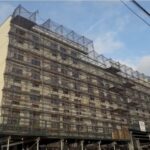
In the wake of the tragedy, New York City Mayor Zohran Mamdani and Department of Buildings (DOB) officials announced that investigators are actively examining five distinct corporate entities linked to the adjacent construction site at 2625 Bedford Avenue.
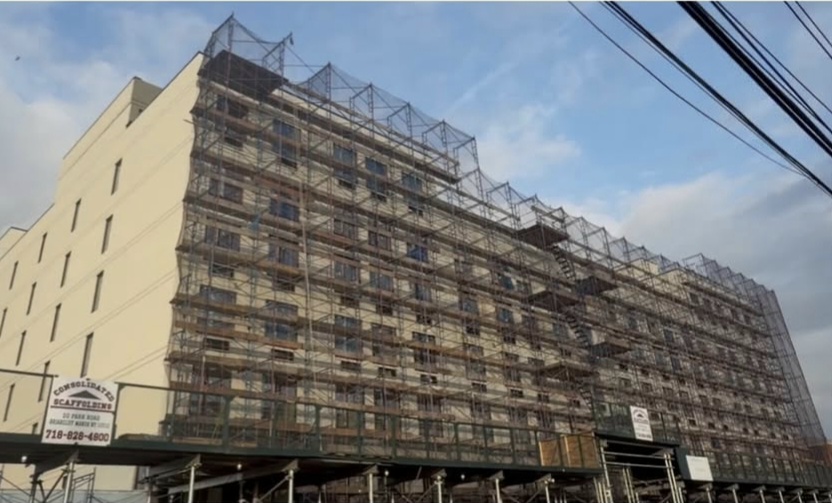
According to municipal records, these entities are tied to approximately 100 other active development and construction sites across New York City. In response, the DOB launched citywide enforcement sweeps, dispatching inspectors to scrutinize structural safety, preconstruction surveys, excavation practices, and compliance histories at all associated locations.
While city housing records revealed that the collapsed residential building at 1321 Flatbush Avenue had accumulated numerous open violations prior to the incident, investigators are heavily focusing on how adjacent subterranean excavation and demolition work may have compromised the shared foundation of the century-old row-dwelling structures. The Brooklyn District Attorney’s office has joined the probe to determine whether negligence or unaddressed code violations contributed to the structural failure.
Community Grief, Memorials, and Accountability
As engineering teams and investigators comb through the rubble, the human toll of the disaster continues to resonate deeply throughout Brooklyn’s neighborhoods. Vigils, memorial services, and community gatherings have brought together grieving families, local residents, and advocacy groups demanding structural justice.
Families have begun laying their loved ones to rest, while local organizations, including the Brooklyn Organization, have mobilized emergency relief grants to support displaced tenants and impacted families. Amid the sorrow, stories of resilience have emerged—including the heartwarming reunion of a local family with their missing cat, Isaac, who survived the collapse. Yet, these moments of relief are matched by an unyielding demand from community leaders that city agencies close regulatory loopholes and strictly penalize bad-faith operators.
Heru Vision Editorial Perspective
The tragedy in Flatbush is not merely an isolated structural failure; it is a glaring stress test of municipal accountability, housing protections, and the safety of working-class neighborhoods facing aggressive urban development. As the investigation widens and enforcement sweeps continue across the five boroughs, Heru Vision Media remains committed to following every development. We will continue demanding transparency from city regulators and holding responsible parties fully accountable to the communities they impact.