











By Salhiram Balthazar, Editor-in-Chief
Published on Heru Vision
As an American citizen born in Haiti, and like so many in our global diaspora, I stand with one foot rooted in the revolutionary legacy of my homeland and the other in the legal principles of the United States. We respect the rule of law. We understand the necessity of institutional procedures, documentation, and border security. But when a legal apparatus operates in a manner that takes an 8-year-old child into federal custody during a routine immigration check-in, we must pause, speak out, and ask: Where are our fundamental human rights and child protection safeguards?
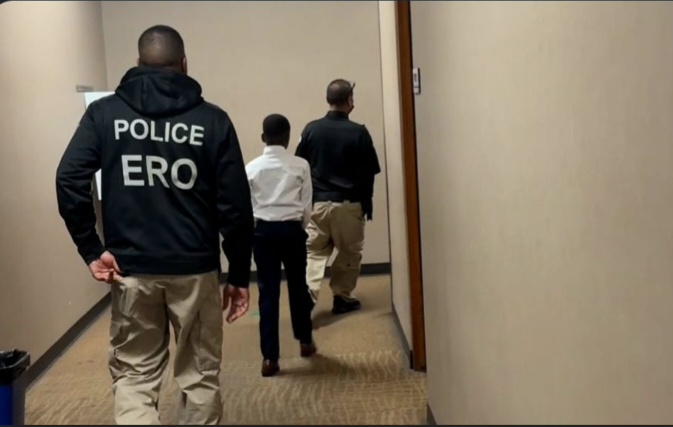
The recent incident in San Diego—where an 8-year-old Haitian third-grader from Fay Elementary School was taken into federal custody by Immigration and Customs Enforcement (ICE) during a scheduled appointment—serves as a deeply alarming case study in institutional overreach.
The Incident: Compliance Met with Detainment
The facts of the situation demand close, objective scrutiny:
- The Check-In: An 8-year-old boy, residing in a stable, caring home in San Diego and attending public school daily, was brought by his adult relative (his uncle) to a mandatory federal immigration check-in.
- The Detainment: Federal authorities took the child into custody, citing anti-human trafficking protocols and legal guardianship verification procedures, pointing out that the uncle did not hold formal legal custody documents recognized by the agency.
- The Aftermath: The young boy was separated from the household he relied upon, leaving his elementary school desk empty, his classmates in need of crisis counseling, and local community leaders demanding immediate transparency from federal officials.
Lawful Oversight vs. Trauma-Informed Protection
As citizens, we acknowledge that federal agencies have mandates to vet guardians and prevent child trafficking. That is a legal responsibility. However, the manner in which protocol is executed matters immensely.
When a family acts in good faith—bringing a child to a scheduled, transparent government check-in—treating the child as an isolated case file and separating them into federal holding without immediate, clear community-based transitions raises urgent ethical and human rights questions:
- Child Welfare Best Practices: In standard civil or child welfare matters, separating a young child from a known, loving primary caregiver requires carefully managed, trauma-informed protocols—not abrupt administrative custody.
- Impact on the Haitian Community: For the Haitian diaspora, this case strikes at an ongoing vulnerability. As policy shifts and legal statuses like Temporary Protected Status (TPS) face continual legal debate, families attempting to follow every legal instruction find themselves vulnerable to administrative actions that tear households apart.
- Institutional Trust: When compliance with government appointments leads to child detention, families lose faith in legal pathways, forcing vulnerable communities further into the shadows.
Local Leadership and Community Mobilization
This incident has sparked sharp reactions from San Diego Unified School District officials, local municipal leaders, and civil rights organizations such as the Haitian Bridge Alliance. Advocates correctly point out that holding a young child in administrative custody while bureaucratic sponsor-vetting drags on for months inflicts severe psychological harm.
Community leaders are demanding:
- Immediate Transparency: Clear updates on the child’s physical location, well-being, and legal representation.
- Expedited Reunification: Streamlined, prioritized processing for vetted relatives so that third-graders are in classrooms—not holding centers.
- Policy Reform: Structural changes to ensure that routine check-ins do not become traps for young children brought in by non-parental family guardians.
A Stand for Universal Dignity
As a Haitian-American, my commitment to this country is grounded in the belief that justice and order must co-exist with human dignity. The law should protect the vulnerable, not inflict administrative trauma on an 8-year-old child.
We must continue to follow this case, hold decision-makers accountable, and advocate for child-first policies that respect both national law and universal human rights.
For further background and reporting on local reactions to this case, you can watch ICE takes 8-year-old boy into custody in San Diego. This video provides critical context regarding the local school district’s response and the community outrage surrounding the child’s detainment.